
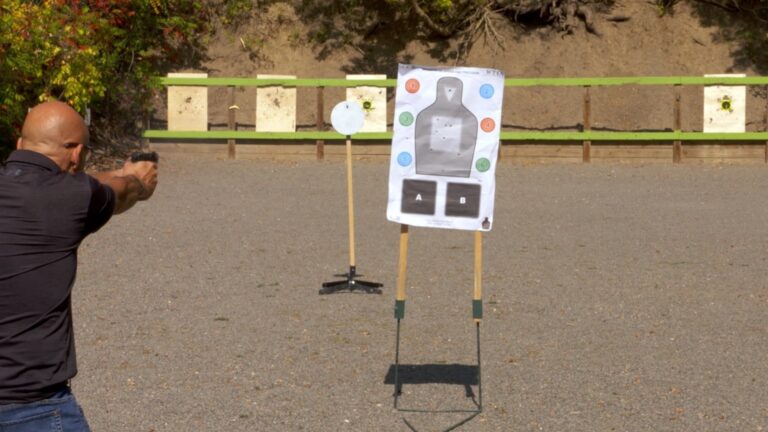
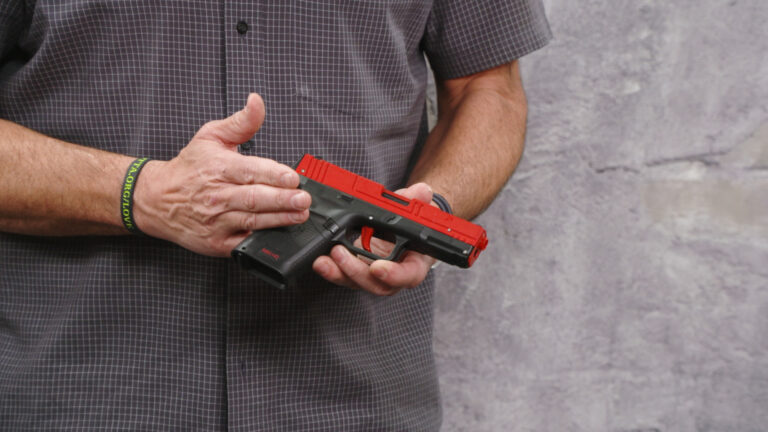
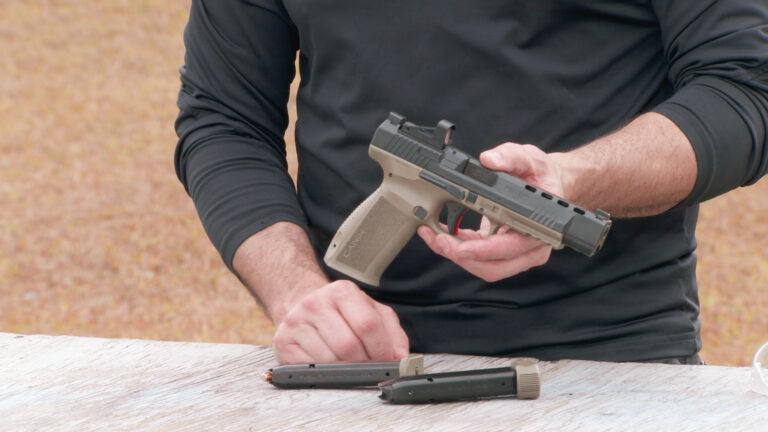
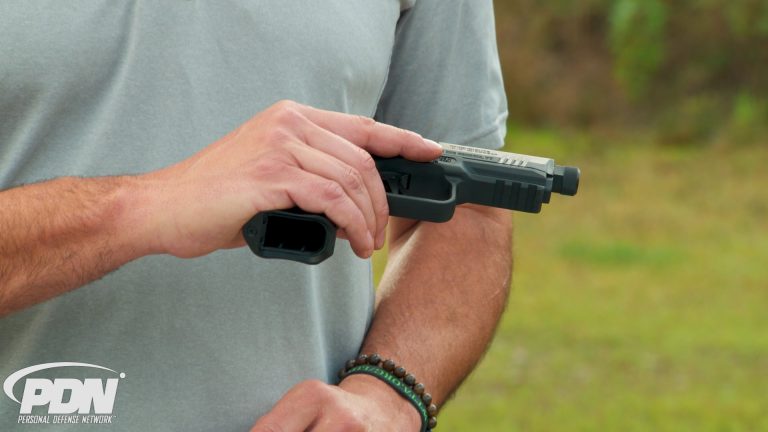
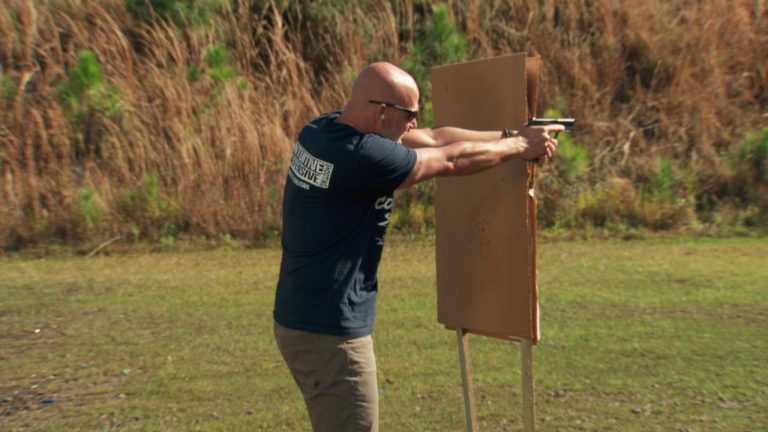
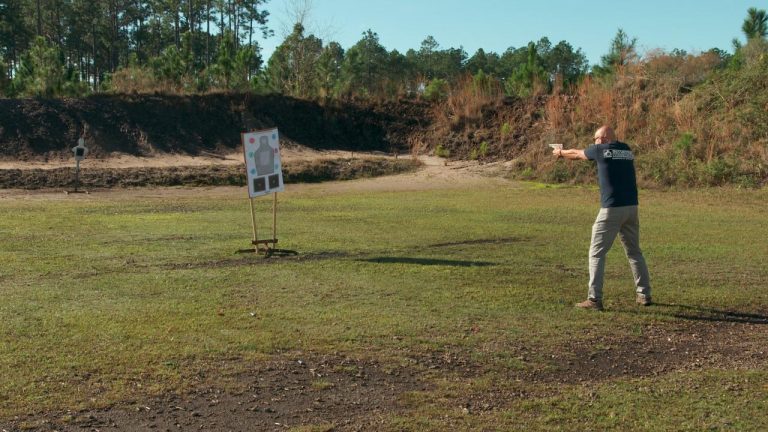

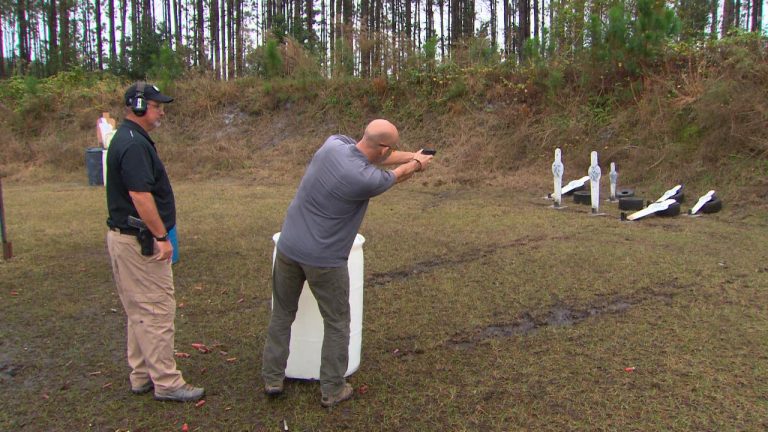
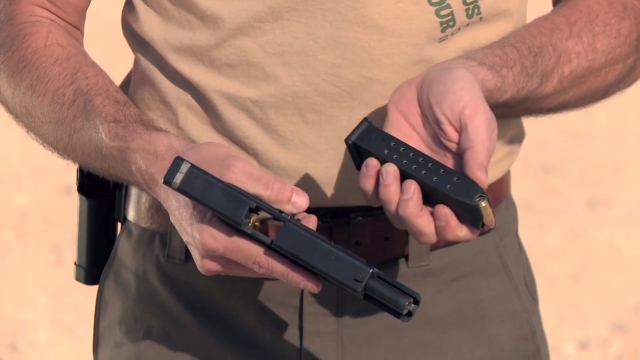
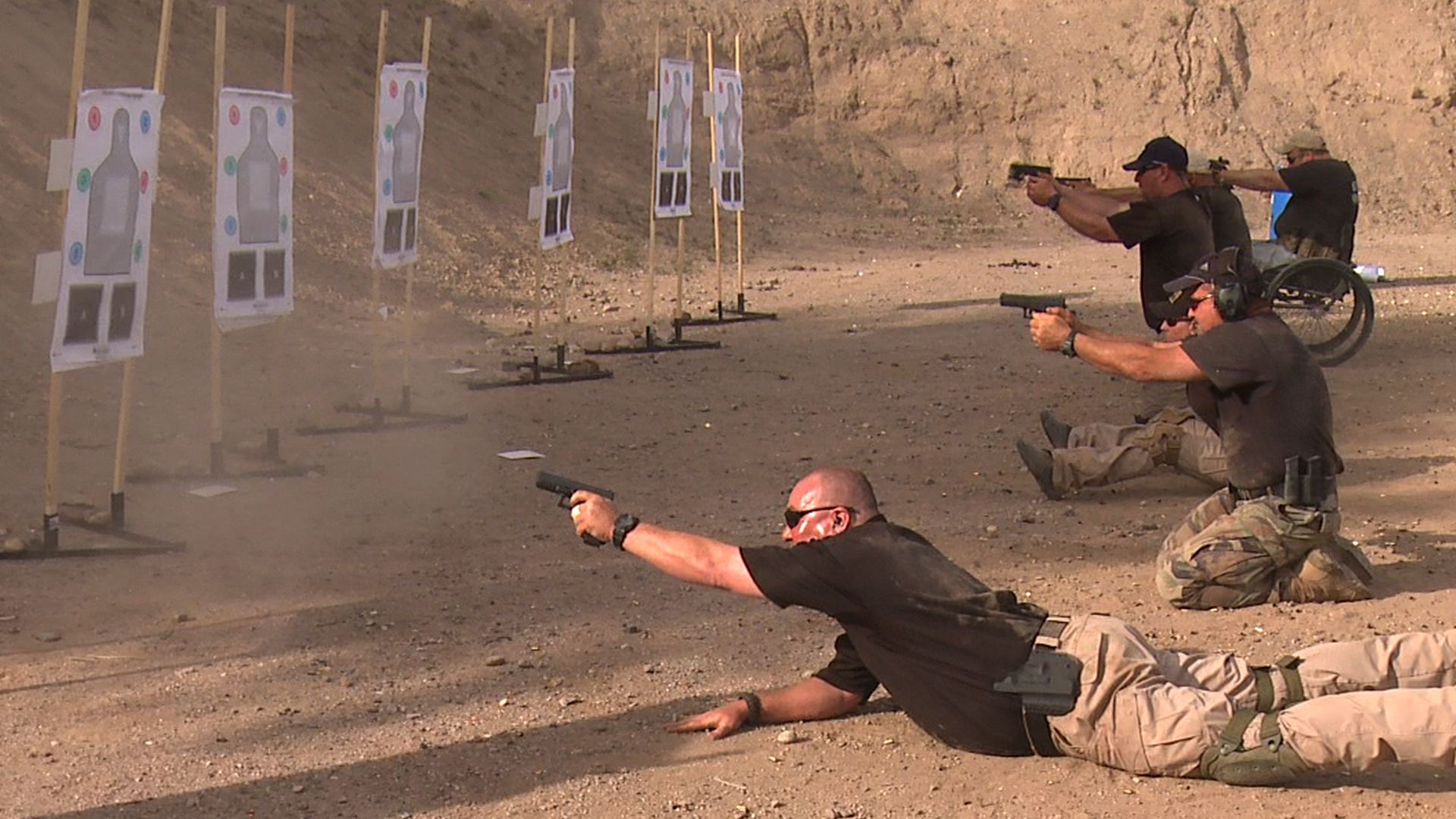

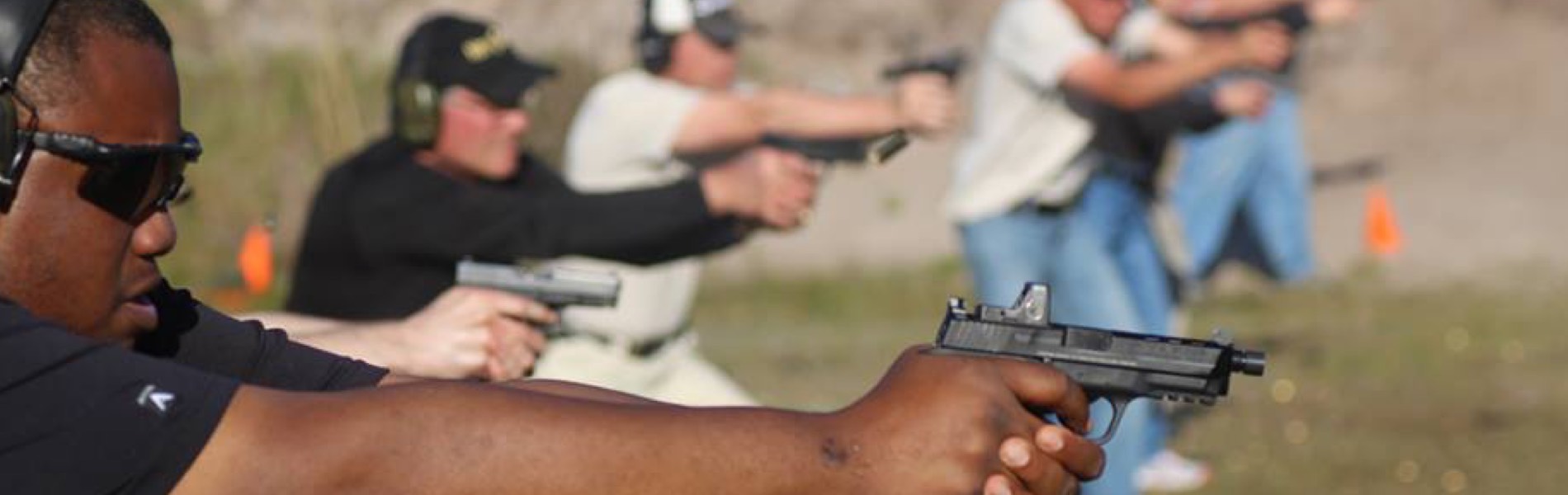
As trainers, operators, law enforcement, and civilians operating around firearms, it is important that we understand how to respond to a subject who has sustained a gunshot wound (GSW). In the event of a negligent discharge at the range, the medical response to a GSW is very straightforward.
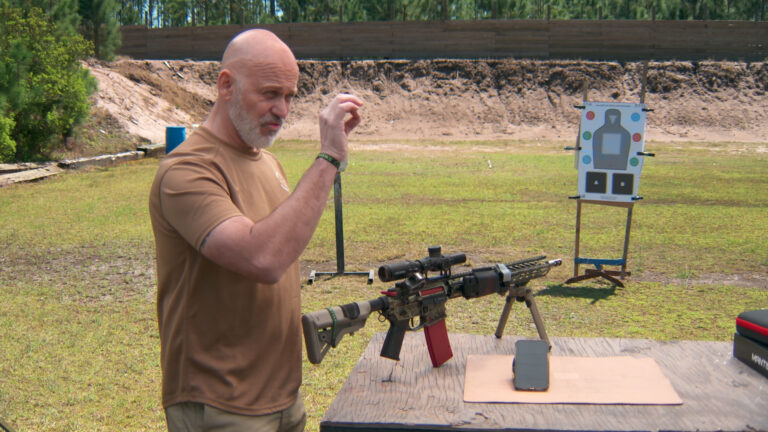
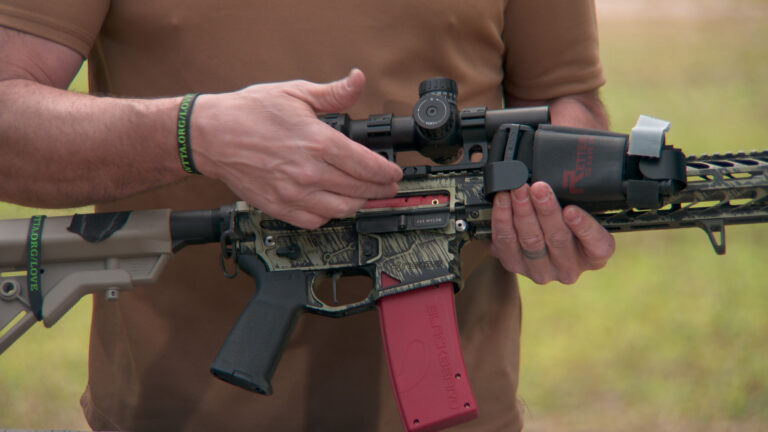
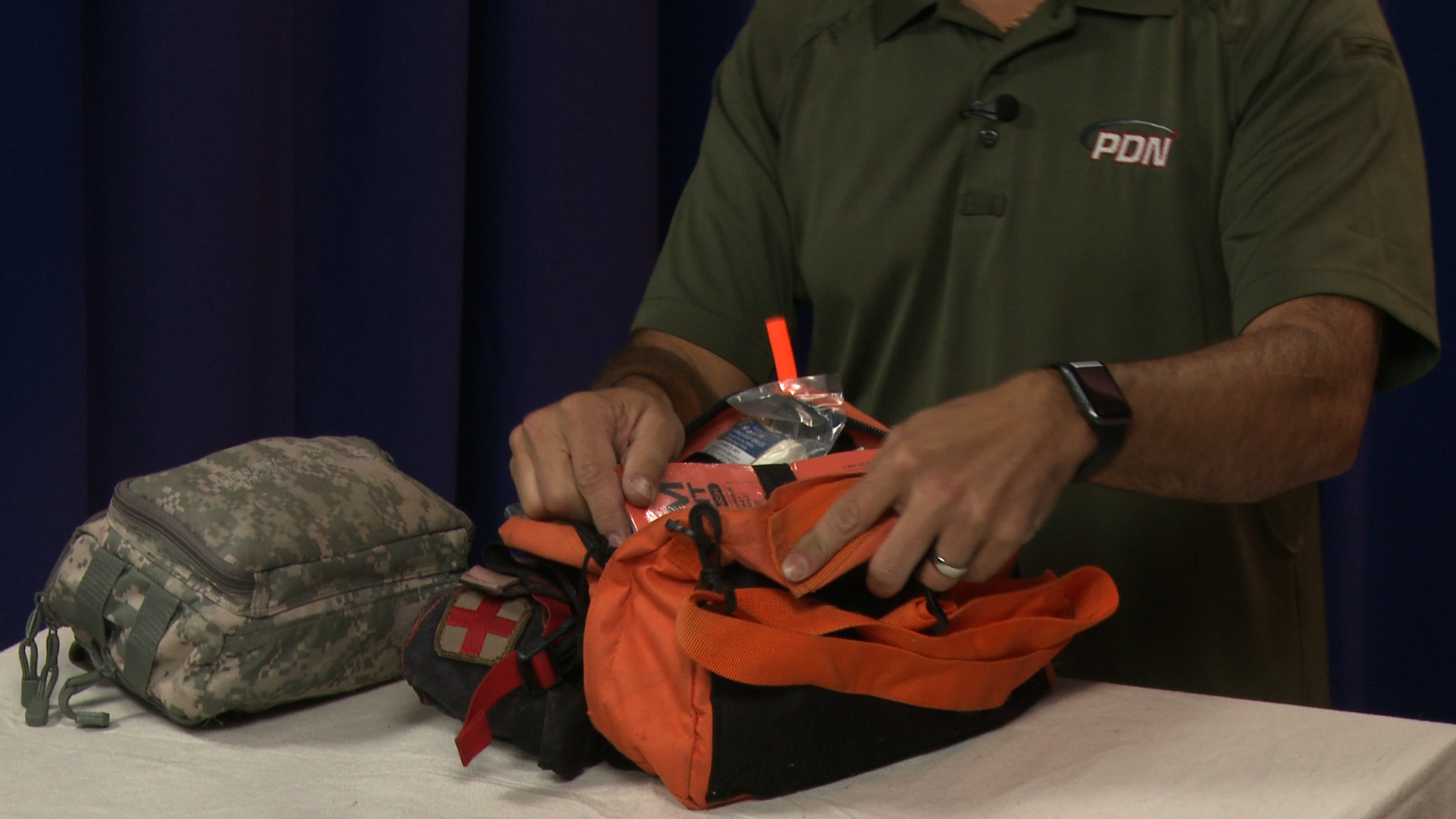
First find the hole, then look for a hole on the other side, in other words, the entrance and exit wounds of the bullet. Next, apply direct pressure. There are several commercial bandages on the market that will hold pressure very well. The Emergency Bandage can be purchased with two dressings, one for each wound. It is held in place by a plastic clip and can be applied in self aid. The Olaes® Modular Bandage has one dressing, however it comes with a plastic sheet that can be used for sucking chest wounds. This bandage can also be applied in self aid.
If the pressure bandage does not stop the bleeding, and the wound is on an extremity, the next step is to apply a tourniquet. The tourniquet should be applied just far enough above the wound that it will not slip off in cases of amputation. The tourniquet may be left in place for two to six hours, depending on whom you choose to believe.
If the wound is in the abdomen, scalp or neck, you may use a hemostatic. There are several types on the market. I recommend QuikClot® Gauze. This clotting agent is impregnated into gauze. You pack the wound with the gauze then cover with pressure dressing.
For wounds in the upper chest, into the area of the lungs, cover with an occlusive (air- and water-tight) dressing. The occlusive dressing keeps outside air from entering the pleura space, the area that forms around the lung when it collapses. Air may escape from the lung into this space and create pressure. This pressure can force the heart and trachea to move away from the space filling with air. This is called mediastinum shift. The subject will show a deviated trachea toward the uninjured side. To treat this, open one side of the occlusive dressing and let the air escape.
Subjects with a GSW need to go to the hospital very quickly. Transport is an extremely high priority.
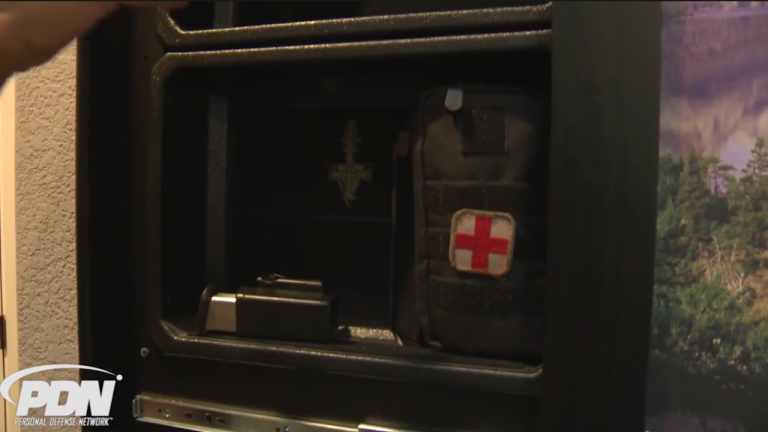
It goes without saying that all of us who are trainers do everything in our power to ensure that a GSW does not occur on the range. Nevertheless, we must be prepared for the worst, with emergency supplies available to treat such a wound, the knowledge of how to treat it in the field, and the capability of getting the person into the hands of medical professionals as quickly as possible.
This is just a quick overview of the fundamental concepts of field first aid for GSWs, for the consideration of anyone who is serious about preparing for personal defense. The next step is getting formal training.
.
1 Comments
Thanks for the well-written article. This is something that EVERYONE who spends time around firearms should read and become familiar with!