Interactions with Law Enforcement Session 9: After Defensive Gun Use
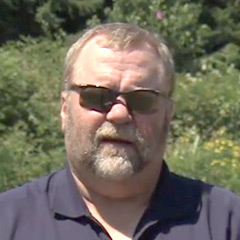
Marty HayesInteracting with law enforcement in the immediate aftermath of a defensive shooting poses significant risks and it’s an essential component of defensive firearm training. This Session teaches students the steps to take after a defensive shooting to ensure they remain safe when law enforcement arrives. Includes insightful commentary by Marty Hayes of Armed Citizens’ Legal Defense Network outlining what gun owners can expect after a shooting and steps to take to ensure their safety.
Of all the topics that we're covering here in this class on interacting with law enforcement while armed, the area that we've covered the most in previous information that's been put out by PDN classes that I've taught, lectures that I've given, segments that I've done for TV and news shows, the area that is most talked about certainly is going to be interacting with law enforcement after a defensive gun use. This is a critical area, not just of cooperation and compliance, but really of safety. Think about it, you've been in a situation where you've been pushed to the limits of survival, you've needed to use a gun to defend yourself or others probably in a public space, but possibly in your home or workplace and now the police are arriving, what do the police probably know at this point? They probably know that there a gun, at least one in play, that someone has been shot, at least one person, and that therefore someone poses a threat or has posed a threat to them and other people in the area that they're going to prior to arriving. They've had some time to think about this and when they get there, they're going to be ready to deal with whatever they face possibly to include a lethal threat.
You don't wanna be mistaken for that lethal threat, you wanna make sure that you're cooperating, and you wanna make sure that this encounter remains as safe as possible now that you've dealt with the initial threat that caused you to use the firearm in the first place. Now, certainly there are times when you use a firearm, you defend yourself, and you don't have to fire a shot. You just show the firearm and the bad guy runs away or the bad guy surrenders, and now the police are gonna show up and no shot was fired, but they still know that at some point someone was threatening and at some point there was a gun being used, either because you called in and reported on yourself or because someone else, a witness or possibly even the person who was trying to hurt you has reported the situation. Let's go to the worst case scenario first. When law enforcement responds after you've had to draw your gun and use it to defend yourself or someone else in the public space, if they were to come around the corner and see you with your gun extended, pointed at someone, possibly finger on the trigger, or waving the gun around in the public space with a crowd of people around you, well, this looks like an immediate threat.
And especially if we put our finger anywhere near the trigger, it is a fraction of a second between this position and you launching a lethal bullet at someone. So if you were in this kind of an extended ready position, even if you felt like you were completely in control and everything was fine, you had dealt with one threat, you pulled the gun back in, you didn't see an immediate threat. Maybe you reloaded your gun, topped your gun off, and then you drove the gun back out as if to try to maintain control or maintain readiness to deal with the next threat, and you're in this position when a police officer comes around the corner, I have to tell you, as a law enforcement officer, if I were called to some kind of an active shooting event and I came around corner and I had no reason to think that this person was a good guy, I had no description, I had no compelling reason because of gestures, body, language, clothing the person was wearing. If it was just as likely that this person was the threat as it was that they were the good guy, I'm not gonna hesitate very long to make sure that this person doesn't hurt the people he's pointing the gun at. Now, if I'm extending the gun out on a person who's lying on the ground and there's a knife or gun near them, and I'm giving commands to that person, am I less likely to seem like I'm a threat to the people that are maybe hiding in the corner or standing up against the wall?
Absolutely. But how much less of a threat do I look like if I simply bring the gun back in here to a compressed ready position, possibly even taking this hand off the gun and depressing the muzzle, and making sure that it's clear that I'm not an immediate threat to anyone? So first and foremost, when you're in a public space and you're not actively shooting someone, keep the gun close to your body. It's better for retention. It's better for your awareness for your field of vision.
It clearly says I'm not an immediate threat to anyone that isn't threatening me. I'm not looking to hurt someone. I'm not trying to hurt someone. And, honestly, it looks a lot more professional than someone just pointing a gun out in front of them and swinging it around in the public space. So pulling that gun in, trying to have a calmer a body posture as possible, body language that says, I am in control, I am not panicking, and I am not threatening anyone, is the first step to being safe when law enforcement arrives.
Now, of course, if law enforcement arrives and you haven't heard them, you haven't seen sirens, maybe you haven't even called them or been made aware that they were called, you could be surprised. At this moment when the police show up, if they start yelling at you, turning towards them with the gun still would pose an immediate threat. Obviously someone can shoot from this position even though it's not a preferred shooting position. So if you do get called out by the police, you wanna stop what you're doing, make no sudden motions, and then simply turn your head, not turn your head rapidly where you may pull your whole body with you, but start to expose your hands and turn your head. Is it possible that it's a bad guy saying, "Police, freeze," or "Drop the gun?" Absolutely.
But let's think about it. If it's really a bad guy that intends on hurting you, why wouldn't he just hurt you? Why wouldn't he if he had a gun shoot you, stab you, throw something at you, sneak up on you, grab you do whatever it is he wanted to do, rather than stand 20 feet away around a corner and pretend he's a police officer? Certainly there are reasons why that might happen. But if you're in the public space in an environment where the police response is going to happen inevitably, and someone says, "Stop, police," I think you're better off assuming it is the police and not an immediate threat.
At any rate, if you turn around and you identify the person is a police officer, very quickly and immediately, get that gun out of your hand, get your hands exposed. If you do have a warning that the police are coming, maybe you've called them, maybe you're on a speaker, or you're on a handheld phone, you know that 911 is saying police are arriving on the scene, maybe someone at the door or window telling you the police are here. Maybe you see the flashing lights, you hear the sirens, or someone before they enter the area say police were coming in, were coming around the corner, put your hands up don't have any guns in your hand. Whatever the issue is, if you have time to place the gun into your holster, make sure that your hands are clearly away from that holster, that's perfectly acceptable. If you don't wanna give up control of the situation because you have another potential threat, once again, keeping that gun in close, letting the officer know I'm armed and there is a potential threat here that is also armed, I have my gun in a ready position, come in, I don't pose you any harm.
I'm wearing a gray shirt and black pants. Whatever you need to do to convey to the officer, that when they come around that corner, yes, you're gonna have a gun in your hand, but you don't pose a threat. Preferably, I would like to see someone maybe be able to go to the holster, have their hand now away from the gun, but ready to draw if they needed to, keeping their eyes on that threat, and making sure very clearly when the officer comes around the corner, you're not an immediate threat to them. One of the things you can do to make that easier is while you are in control of the situation if you have a potential threat, a guy who could jump up, or pull a knife. or grab a gun, or come charging at you, is have them turn around.
If they'll follow your commands and you can stay away from them and have them turn around and look towards the wall, well, now you can holster and they won't know the difference between whether you're pointing a gun right at them, holding the gun in the ready, or the gun is secure in the holster. But when the police come around the corner, they're not going to see a gun in your hand. Remember, safety, making sure you don't get shot by the police officer who's there to take control of the situation, start dealing with the bad guy, and certainly talk to you about what happened but not hurt you, turning that all over to him as safely as possible, that's really our goal here when it comes to interacting with law enforcement in the immediate aftermath of a defensive gun use. Let's take a look at a video that we did for Personal Defense Networks, DVD on the topic of the immediate aftermath of a defensive shooting, and see how we handled it in that video. Let's look specifically at what's gonna happen during that first five minutes.
Now, there are a lot of people who spend a lot of time talking about this, teaching about it, thinking about it, lecturing about it. And I think that the conventional wisdom has often, at least at the gun store level, the rhetoric on the gun range has always leaned towards don't say anything. But I know as a former law enforcement officer, if I showed up on the scene to a shooting and there was all this chaos, and people were hurt, and ambulances, sirens, people, screaming, people nervous, and especially if there were weapons involved, the last thing that I'm gonna be comfortable with is nobody saying anything. How do you recommend people handle that immediate aftermath of a critical incident? Well, there's two big considerations here.
The first is don't get shot by the police when they show up. Make sure that you don't have the gun in your hand. That you've either put it back in your holster you've set it down, somehow the police don't show up and see you holding a gun in your hand. That could be really bad for you. Absolutely.
It'd be pretty obvious that you were a police officer showing up on the scene of a shooting without any other information, saw somebody with a gun in your hand, well, you've just committed some crimes right there or at least the elements of a crime from that police officer's perspective. So I agree with you 100%. Put the firearm back in that holster, or maybe just in a safe, secure area after you've cleared it if you don't have a holster convenient. Now, and then what happens that kinda depends on, or what happens next kinda depends on how did the police get notified to begin with? Most people now carry cell phones.
So you're probably gonna have made the call. You'll probably tell them, "Listen, I was just attacked by this guy. I had to shoot him. It was self-defense. Send the police, send an ambulance.
No, I don't know if he's dead. I'm described as six foot, three, blonde hair." That kinda thing. And so now the police are coming, and they're gonna be coming about as fast as they can safely get there, which means that they're gonna be kinda hyped up a little bit. Okay, so when they show up on the scene, things are not gonna be calm, cool, and collected. They're gonna be waving their guns around.
They're gonna be yelling at ya, "Don't move, get down on the ground." At that point, you just have to go along with it. Don't argue, don't say a word. Just do what they tell you. Right, nothing good can come from trying to explain yourself at that exact moment, that crisis moment. Correct.
And it's likely that you will be technically detained. You may or may not be handcuffed at that time, but you're not free to leave, but you're also not under arrest either. And so during this critical time where you're detained but not technically under arrest, then the police are gonna basically say, "Well, Rob, what happened here?" At that time if you say, "Officer, I'm not saying anything until my attorney gets here," then what that police officer is thinking, you know, this guy's guilty or something, 'cause that's what the here all the time from guilty people. Right, and the fact is, like you said, most of us are going to be making the cell phone call ourselves. In fact, we train students to have that firearm in the ready position.
Once they believe everything is safe, they use their off hand to make that call as maybe they're putting their firearm away. They're describing at police officers, just like you said, all those important elements that you had to defend yourself, someone's been hurt, send an ambulance, maybe you've been heard, explain that. And that all important description, because all the officer has to go by is who's wearing jeans and a tan shirt? Is that the good guy? And if the dispatcher puts that into his head then that makes it less likely that you're going to have a problem with law enforcement officer.
When they get there and they start asking these questions, what's your advice of the important things that someone definitely should say or should offer up as information to the officer? Well, first realize that you, number one, are the victim of a crime and you need to report that crime to the police. The police aren't going to know that you have been victimized and you're the victim of a crime. If you just simply, "I'm not saying a word, I want my attorney," they're gonna think that you're the suspect of the crime and the crime is murder. But instead if you say, "Officer, I was just attacked by that man.
There's his knife. I think that person saw what happened." Then the officer gets a much clearer picture that, yeah, there was a crime here before this guy had to use a gun for self-defense. I think that's much more realistic. The idea that we're just gonna clam up and say nothing might sound good when we're typing on the internet or sitting at the gun range, but the reality is you're gonna be on the phone. There's a such a thing as an excited utterance.
Can you talk a little bit about that? Yeah, when you call up the dispatch and say, "I've just been shot," or "I've just been involved in a shooting," that is admissible in court under the excited utterance exception to the hearsay rule. And so they could bring that into court and play it for the jury. The fact that you shot someone isn't gonna be a mystery to anybody. And so by saying nothing, all you're doing is basically failing to report to the police the crime that you were a victim of.
Remember that under the law that we discussed, most statutes have in there, or most states have in their statutes the idea that if you are the victim of a serious violent felony, you may use self-defense or you may use a gun for self-defense. It would be called justifiable homicide. Consequently, if you don't say anything and the police simply turn their attention to you and what you did, you've given away half of your legal defense right there. Okay, so is there anything else that we need to say right away when the police first show up? Yeah, the first thing we need to do is to make sure that they know that you are injured if in fact, you were physically assaulted.
If you're pushed to the ground make sure that they see that see your dirty knees. If you were hit along the side of the head, have them take a look at the bruising and you may even end up having to take a picture a day or two later. Sure, because it may take time for that red mark or something else, but at least establishing, not saying, "Oh, well, he only grabbed me," but instead, maybe, "He grabbed me," and just let that stand in evidence as itself. And also if there's any evidence at the scene that you think the police might overlook or it might disappear, make sure that they know about that. One of my first expert witness cases many years ago involved a shooting out on the street, and the person that I was called in to help defend as an expert, he was being charged with murder.
And when it was all said and done, the actual shooter's gun was found about two blocks away. It had disappeared from the scene before the police got there. And eventually when we found that out, and the only reason we found that out was because, reading the pathology reports, the weight of the bullet, the nine millimeter bullet that killed the guy was 90 grains. Now you and I both know that's a 380. Right.
Not a nine millimeter. And so the other guy with the gun, the guy with a nine millimeter, didn't shoot the guy that was dead. It was somebody on the street with a 380. And so once that was found out, they dropped the charges against the guy. So sometimes you may actually be charged with a crime and the evidence that comes out through the process of the information you gave, maybe the witnesses you identified, the other things that you said, those critical moments right after the shooting can actually be what helps you get your charges dismissed if the thing actually ends up going to trial?
Absolutely. You're not giving away any deep, dark secrets here that are gonna get you in trouble later in court. Sure. The fact that you point out to the police that the suspect's gun was thrown underneath the bush by one of his buddies, that'd be very important to your legal defense. And of course, the idea that you also wanna point out, "Hey, I think that person saw something," we're not gonna be afraid to bring somebody else into it or getting somebody involved.
We need to make sure that the police get a chance to talk to everybody who might have any information. If we're in the right, that's eventually gonna come out, and the more voices backing it up probably the better. Absolutely. And then lastly, when you've done explaining to the police that you are the victim of a crime, asking for medical assistance if you've been injured, pointing out the evidence, pointing out the witnesses tell the police that you know how serious this is officer. I would like to have legal counsel here before I continue my interview with you, before I talk to you further.
Let them know that you're sincere that you're gonna help them, but you better have your attorney there now. Sure, we're certainly not recommending that someone doesn't seek legal counsel or someone doesn't have legal representation, especially in the fact they're arrested. Now, are we ready to talk about what happens at that point in a worst case scenario? We certainly can. Yeah, if you're arrested, and basically an arrest comes when you're not free to leave and a reasonable person would believe that you have been arrested, typically that will occur when an officer read you your Miranda Rights, you have the right to remain silent, et cetera, et cetera.
At that point, shut up, Don't say a word, ask to speak to your attorney. Tell the officers, "I've got his number in my pocket. Can I call him?" They probably won't let you. They'll wait until you get to the police station. But you're basically protecting your right to remain silent.
But I think that's an important distinction, is it's up to the officer to initiate that next legal juncture to say, at this point I'm making you aware that anything you say can be used against you in a court of law or whatever the specific verbiage is in that jurisdiction. At that point, you're not the one standing there with your mouth shut saying, I'm not gonna talk to you. That's correct. And so after you're arrested you'll be taken to the police station, you'll be booked. You may even be taken to the emergency room to get treatment for a wound or so.
During this whole process, don't say anything about the incident to anyone. Not the jailer who is booking you and taking your fingerprints and asks, "Hey buddy, what did you do?" Just say nothing. Okay, not the cute emergency room nurse who is acting all sorry for you. Just don't say a word. Just continue on with what you're doing, and you end up being booked, make sure your attorney gets there as quick as possible.
And would it be fair to say that in today's cell phone, Blackberry, PDA, internet constantly connected world it probably wouldn't be a good idea to broadcast to anybody that you don't need to speak to immediate family, your lawyer, that this incident even happened. Absolutely. Yeah. Keep your mouth shut. Word will get out anyway.
These people will probably find out about it anyway, so you don't have to tell them. What you need to do is to to keep your council close to your chest, so to speak. Talk to your attorney, perhaps talk to your spouse, but don't be telling family members. Under the law, there's an exception to the hearsay rule also called the admission against self-interest. And so if you get on the internet and say, "I shot this guy and I shot him a half a dozen times and he was falling to the ground after the first one, but I kept shooting," that can be used against you 'cause that's an admission against your own interest, and that's gonna come back to haunt you.
Sure, so once you've been arrested, then it does become very important to follow that more conventional wisdom of being very careful what you say, listen to your lawyer, or maybe even only talk to your lawyer. Right. And remember this advice is coming from the criminal defense bar, and these attorneys God love them. The fact is that they spend 99% of their time defending guilty people. If you're guilty of a crime and don't say a word, that's the time to shut up.
But if you're an innocent person, if you didn't do anything wrong, don't act like a guilty person and hopefully you won't be treated like a guilty person. Now I imagine once your lawyer gets there we're gonna let him take control. He's gonna tell us what we need to do, what we need to say, where we need to say it, and when we need to say it. But what other things should we keep in mind when we actually are waiting for our lawyer or when our lawyer arrives? Well, they'll probably put you in an interview room perhaps with or without your attorney there.
There might even be a jailer there. Don't say anything. Even when you're talking to your attorney, make sure that you clear through your attorney before you talk about anything critical because that interview might interview room might not even be secure. There may be people listening in, and while they couldn't use that against you in a court of law, what they can do is use what you said to start investigating some other facet of the case. Absolutely, and again, not to say you've done something wrong, just we don't wanna say something, we don't want to have that utterance between ourselves and our attorney that's gonna lead to someone looking in a wrong direction or getting the wrong That's right, and then one last thing on that topic, the jails are full of jailhouse snitches.
So don't talk to these guys. Don't tell them what you did. And here's the deal, don't even talk to them because they can make up things. Absolutely. They may wanna be getting out of jail on their their misdemeanor marijuana charge so they come to the prosecutor and say, "Hey, this guy told me X, Y, Z, and I'll be happy to testify to that if you drop these charges." And so.
Right, and just having that third person or even a jailer who says, "Yeah, I did see him talking to that guy at the back of the cell," sorta sets up a credibility for that being possible. Exactly. Let's talk about a situation that people may not think about, the idea that if you're not arrested on scene, we should still probably be really careful about what we say. Just because we didn't get arrested that night doesn't mean we're completely out of concern as far as the incident. Yeah, if you're not arrested on the scene, you've won half the battle because the momentum has been taken away from the police to push forward with the prosecution.
But that doesn't mean that you can't be prosecuted later. The fact is that there is no statute of limitations on murder. You could be tried for murder 10 years after the fact if additional evidence came up that led the prosecutor to believe that this was a murder. So don't go talking about it. And then the other thing is you still have to deal with the civil trial, which I know that you wanna get into.
And so even if you're not arrested, even if you're not charged with the crime, if you start blathering away with it you may end up losing the civil trial because of what you said. I know one of the things we recommend in training a lot for home defense scenarios is the idea that you're gonna have a script next to the phone where you're gonna describe to the dispatcher exactly where you are, what your address is, who you are, maybe some of the other things like description of clothing, some other prompts that we put right there next to the phone or next to the alarm panel so that people know exactly what to say in that rushed moment. So you're saying that somehow practicing or preparing ahead of time for the on the street situation is also a great idea. Right, and this would basically come in in scenario based training But not go as far as having a script? You would wanna practice what you wanted to say, but I wouldn't, say for instance, have a card in your wallet that had the five points to say about a shooting, because that could be used by the prosecution to create in the minds of the jury that you intended to go out and get involved into a shooting.
That's a great point because I've heard that advice brought up quite a bit. And when I think about it now, it really is very different from a 911 call to report an emergency, versus standing there talking to a police officer about something that we all hope we never actually have to do. Yeah, oh, wait a minute, officer, let me whip out my card and tell you what I should tell you. I don't think it's a good idea. I agree.
Now, as you saw in that video clip, the way you handle yourself and the way you obey the officer's instructions is incredibly important. And really that's, it comes down to. Obey, comply, cooperate, whatever word you wanna use, do what the officer says. Even if it's not what you think should be done, make sure that you let the officer take control of that situation. And one of the important things that you can do here is make sure that the officer and the dispatch and you are communicating as much as possible prior to their arrival.
So if you stopped a threat inside your home, inside your workplace, or in a public space, and there clearly is no other immediate threat, no partners and that guy is done, he is no longer fighting, at that point, no longer capable of fighting. If you wanna put the gun down on a table, put the gun back in your holster, and at that point, get on the phone with the police and describe to the emergency services operator the 911 operator what you look like, and what happened, and where you are, and let the officers know that, yes, there was a threat, the threat has been dealt with, but the area, as far as you know, is secure, and they are welcome to come in, or that you will meet them at the door, or you'll meet them at a certain corner. That's a much better way to play it. If you are a secure inside your home and you're worried that there is another intruder, maybe that there is somebody else outside the home or the person that you shot or shot at left the home and you're afraid they may come back to the door. You might even be able to establish some type of a signal between the dispatcher and the officer who's arriving, or maybe you can just ask the dispatcher what the officer's name is and then call out to the officer on the other side of the door.
"What's your name, sir?" And when they say, Deputy Smith, well if you were supposed to be listening for officer Jones, you know that deputy Smith isn't supposed to be there. Keep in mind that doesn't mean that there isn't a Deputy Smith from another agency that showed up first. That's not reason to start shooting through the door. But you do wanna get back with dispatch and say, "Is it possible that there's a deputy Smith here?" At any rate don't expose yourself to unnecessary danger, but make sure that you aren't the kind of guy who's gonna meet someone at the door and say, "It's my home officer. I'm not putting down my gun, you put down yours." Getting into that kind of a debate with a police officer after you've already had to defend yourself, and after they have been called to help you, is not the direction you wanna go.
It's not the direction of a responsibly armed person, It's not even the direction of a responsible citizen who wants to cooperate with law enforcement and deal with this already bad situation as well as you can. So follow their instructions and communicate as best you can. When it comes to communication, it's important to think about the evidence that you're gonna present to the officer so that you can make sure they know what's going on. Keep in mind, you've fired a gun, and if you hit someone, there are fewer bullets in your gun and there are more bullets in that person. than there were before the incident happened.
That's the evidence of a crime. You clearly have shot someone. And if that is the thing that the officer is going to be interested in investigating, it's important that you are providing information that is appropriate so that he understands you're not a criminal, you were defending yourself. Again, we can look at a previous offering from Personal Defense Network in our legal defense consideration series. We can talk about what are you supposed to say or how should you interact with the police when they start investigating your defensive gun use?
I'm here with retired Sergeant Kerry Tanner. He's a 28 year law enforcement veteran, and he's seen his fair share of incidents which force was used, but wasn't lethal force. Kerry, I appreciate you being here today. Thank you. Talk to me about what happens.
As a police officer, now you've been not only someone who's responding to this scene, but you've also been a supervisor and dealt with a lot of other police officers responding into scenes. And of course, over 28 years I'm sure you've received a lot of training on responding to the scene where you know a firearm is present 'cause you believe a firearm is present and yet no shots have been fired. How do you deal with it? What are you looking for? And most importantly, if someone did have to point firearm at someone or tell them they had a gun, they need to leave, what do they need to be saying to the police to make sure they don't get charged with a crime?
Basically they need to say the same thing they would if they did discharge. If you draw a weapon on somebody, you have to have the justification to back that claim where you're committing a aggravated assault by drawing the weapon. You have to be able to, to explain to the officer that you were in fear for your life, that you felt something bad was gonna happen, and you were defending yourself. So we can't simply say, well I was afraid he might have had a weapon so I pulled my gun. We need to say something like, he had a weapon, or I believed he had a weapon.
He told me he had a weapon. There needs to be some justification that could lead to that gun actually going off really. From your perspective, it's the same thing? Yeah. Yeah, you have to be able to justify the fact that if you pull it, you may have to use it.
And you have to be able to justify that fact that even pulling it out and covering somebody that you are justified in pulling that trigger. Okay, well that makes all the sense in the world and that's congruent with everything else that we thought about, everything that we've heard. When that police officer shows up, if you pointed a gun at someone, whether you fired it or not, you definitely committed a crime. Now, another thing that I know is very jurisdictional, it's also very much dependent upon the officer that arrives and the situation. But what if you didn't have to pull the gun?
What if you didn't actually commit the assault, but you simply told someone, "I've got a gun, you need to leave," or you showed the gun to someone maybe inside of a holster, what about the situation there, does it change much? Where are we at? That changes quite a bit. If you're not committing the assault and you're letting them know that you are armed, and that you are willing to defend yourself and they continue their action, then, of course, you have to defend yourself. If it stops the action, then that's even better.
They go about their way and you go about yours and nobody gets hurt. Now at that point, they commit the crime of assault because the gun was still in the holster. No, you have to have the means, the intent, and the willingness to commit that assault. Now I know that there's gonna be a lot of gray area here and maybe some speculation, but I'm gonna you from your experience what is the difference between the gun in the holster with the hand on it and the gun coming up out of the holster into a ready position that still doesn't point the gun at the person, but the gun is clearly removed from the holster now. So imagine you had the perfect video.
It clearly shows the person didn't point the gun but they did pull it out of the holster. What happens in that gray area? It depends on the other person's actions. If they are brandishing a knife but they're beyond their means to immediately hurt you and you pull it out, you're justified in the display of deadly force. But you're not having to actually commit an assault by pointing the weapon at them to change their ideal about attacking you.
So there is actually a difference. There's actually four steps we've got here. One is, hey, I've got a gun. The other is pulling the gun out, but not actually pointing it at them. The next step is pointing it at them, and then of course, ultimately it's extending into a shooting position or shooting for attention when you're firing the gun.
Right? So we've got several different levels that law enforcement is going to investigate. Well, did you tell them that you had a gun? Did you show them that you had a gun? Did you point the gun at them, or did you fire the gun at them?
And all of those are gonna be dealt with differently by the responding law enforcement officers. Absolutely. In your experience, let's talk about what happens when the officer arrives, because this is of course very important also. What should we be doing? You know police were coming, maybe you've called the police.
And let me ask you about that first, is it a good idea for you to call the police or should you say, you know what, all bets are off, I've pulled the gun out, that guy left and ran away, I'm gonna put my gun away and get in the car and drive away, or should you contact the police? Absolutely, you should call the police because while you might've escaped any harm, it doesn't mean this isn't gonna happen 15, 20 minutes a day later with the same suspect. You should absolutely call the police, make a report, get it on record. At least they can go out and try to find this person and put a stop to their criminal activity. Okay, but what about something a little less altruistic?
What about a situation where not only are we worried about protecting society, but now we're going to be worried about ourselves? So just from my own jeopardy and the jeopardy that I could face, if there was a witness. Let's say somebody across the street saw me pull that gun out, and saw that guy run away, and then saw me get into my truck and said, "Oh this guy with this license plate registered in Ohio just drove away after pulling a gun on somebody," how much does it change things if I'm the one that reports it to the police versus somebody else saying, "Oh, guy might be a bad guy?" Well, it changes a lot because if somebody else calls it in, then you became a suspect in the police's eyes. And as they are looking for your vehicle driving down the road, all they know is you pulled a gun on somebody, and you're driving away. And they have to treat it according to the information that they have.
Where if you call it in, you get them to come to you. When they arrive, you give them your side of the story and it makes for a whole lot less chaos. So not only from a legal standpoint, being able to tell your side of the story, but also from a personal safety standpoint. You don't want the entire city of St. Augustine, Florida, or wherever you happen to be looking for you thinking you might be a bad guy.
Right. If you do end up confronting the police, hopefully it's going to be on mutually agreeable terms. It's not gonna be a surprise to you. They're not gonna treat you like a potential felony suspect and start pointing guns at you when they don't need to. You wanna be on the same side.
Kerry I really appreciate your information. Your experience and your insight is really valuable to anybody thinking about getting ready for personal defense, not just if they have to pull the trigger, but in any condition where your firearm is involved to defend yourself or others. Now, Of course, you can talk to a lot of different people and get a lot of different answers about what you should say to police officers after you've had to use your gun to defend yourself from a lethal threat. In fact, you'll even find some people who will tell you you shouldn't say anything at all. Many of us in the defensive world who are instructors, teachers, and, of course, students of this information have changed our minds over time about what the best things to say or do are.
I can tell you that today, I believe you should absolutely try to establish the fact that you were a victim, that you needed to use the gun to defend yourself, or that someone else was a victim, and that you needed to use the gun to defend them. The way you establish that is by simply pointing out the evidence. There's the knife. Here's the bruise. There's the bullet hole in the wall from where that person shot at me.
There's that person over there who got stabbed, and then I shot that other person there. The knife is right next to him, he's the one that was causing the problem. If you start to point out the evidence of the crime, if you start to point out the evidence of assault or attack if there is any, and if you point out the evidence that the other person was at fault, maybe there isn't even another person there but the door has been kicked in, or the glass had been broken through on the driver's side of your car window. And that was what you defended yourself from, the person reaching into the car. Whatever evidence you can establish that shows you were going about your business, you were just sitting in your home, you were in your workplace, sitting in your car, whatever you were doing prior to someone else causing you to feel like you needed to use that gun in a appropriate, and justifiable, and responsible way that will help mitigate the chances that the officer's gonna look around and say, "Well you clearly shot that guy.
Now I need to place you under arrest." Establishing that you or someone else was the victim and that you acted in an appropriate and justifiable way, is the best way to avoid any significant legal aftermath in the moment of a defensive gun use. Now be prepared for the fact that you're probably gonna be put in handcuffs. Your firearm is probably gonna be taken. Your firearm might actually be taken from you for an extended period of time, even if you're not arrested, while the police continue to investigate the situation. It may be important that you point out any potential witnesses.
If you add to defend yourself in the public space and two people were cowering in the corner, and as you ask them to call 911 they got up and ran out, you might wanna remember their descriptions. Maybe if they got into a car, remember the license plate. It might be a good idea, especially if there's someone else with you who can handle it, to take some pictures of the people in the environment, take pictures of the situation exactly as it is. Where is the bad guy? Where is the knife?
Where are the bullet holes? Where were you standing? Where is the empty brass? Because if you did the right thing, all of this evidence and all of the testimony from those witnesses can help you to establish that you weren't a criminal and that you should not be charged with a crime. In the event that you are charged with a crime that night, of course, this evidence is going to help you explain what actually happened and why you shouldn't be convicted of that crime later at trial.
Or maybe why the charges should even be dropped before going to trial. In the event that your information isn't compelling to the officer, or you don't explain things well enough to make a clear case for why you shouldn't be charged with a crime and you do find yourself being placed under arrest, that's the time to stop talking. Virtually everyone I know in the defensive training community and every lawyer that I've talked to will agree that regardless of what happens up to that point, the moment that you were being told that you're being placed under arrest and charged for the crime, that's a really good time to go ahead and stop talking and wait until you can consult with a lawyer, whether it's your law`yer, one that's gonna be provided by the government, or one that you're gonna seek out the help of through any of the insurance or the legal defense network type organizations that will help you find good legal counsel for someone who has used a firearm to defend themselves or others, but still being charged with a crime. It is unfortunate, but it's very true that you may have to fight a long legal battle after an appropriate use of a defensive firearm. Even if you don't shoot the gun and you just show the gun, this could be the case.
And that's why it's so important to contact the authorities yourself as soon as you know that a firearm has played a role in changing the actions of someone else. If you have a bad guy who's approaching you and you just simply show the gun and say, "Sir, I have a gun, you need to back up," and they leave, that's still the kind of thing that you wanna report. Because imagine, and this isn't just made up, this has happened. This has happened to people inside of the firearms community who have shown a firearm and the bad guys run away. They've gone about their business thinking everything was fine, and later been arrested for menacing someone with their firearm, or for brandishing their firearm, or even for an act of terrorism because they supposedly tried to threaten the person with their firearm when really all they wanted to do was avoid a conflict in the first place.
Avoiding a conflict is great, but once you expose the gun, once you mention the gun, once you use the gun, and certainly once you shoot the gun to change someone else's behavior you are under an obligation to report that incident to the police, or have it reported and then cooperate with their investigation. Even if you get arrested, that information that you've provided beforehand or the evidence that you have taken pictures of or that you've remembered from the actual immediate aftermath or the moment that you decided you needed to defend yourself or someone else, all of that information is going to be incredibly important. Remember that if you're not charged with a crime you may also find yourself in civil court. And again, having all this information and having shared the evidence of the non-crime your defensive gun use with the police, that's also gonna help you in that civil court environment as well. Interacting with law enforcement after defensive gun use is one of the most talked about areas of legal issues surrounding the use of defensive force, whether it's with a gun or in any other act of self-defense.
Do the research, spend some time taking a look at the supplemental materials that are included with this class, and learn all you can so that you're as prepared as possible to respond according to your plan, after you've had to use a gun to defend yourself or someone else.
Share tips, start a discussion or ask other students a question. If you have a question for an expert, please click here.
Already a member? Sign in
No Responses to “Interactions with Law Enforcement Session 9: After Defensive Gun Use”